
 Tiếng Việt
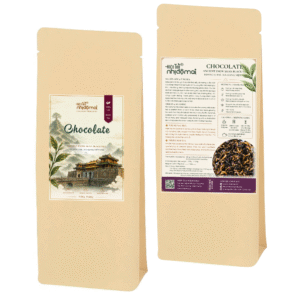

Tea is collected by indigenous Red Dao people, using raw materials from high-grade young buds, one bud and one leaf, picked in the Spring and Autumn crops of the tea tree growing and developing completely naturally under the forest canopy - A hundred-year-old grows naturally at an altitude of about 1,300 m above sea level in Phìn Hồ, Thông Nguyên, Hoàng Su Phì, Ha Giang province in year-round conditions covered with fog and fresh climate. , fertile land, pure natural water. After being harvested, tea goes through several stages: withering, rubbing, fermentation and drying. In particular, the steps of withering, rubbing and fermentation are the factors that create the special flavor and color for black tea


Lũng Phìn is a commune in Đồng Văn district, Hà Giang province, surrounded by mountain ranges with the Tây Côn Lĩnh peak of 2419m high, the climate here is tropical humid. Lũng Phìn tea is an ancient tea hundreds of years old that grows wild along a valley with a stream flowing on a red rock plateau with an altitude of about 1,800m in three rocky mountains and covered with clouds throughout the four seasons and climate. cool, the number of sunny days is very small, so the quality of tea ranks as the best in the Vietnamese green tea line. Lũng Phìn tea is an ancient tea hundreds of years old that grows wild along a valley with a stream flowing on a red rock plateau with an altitude of about 1,800m in three rocky mountains and covered with clouds throughout the four seasons, the climate is cool, the few of sunny days in a year, so the quality of tea ranks as the best in the Vietnamese green tea. However, due to growing in harsh conditions (growing on rocks), the output is extremely meager
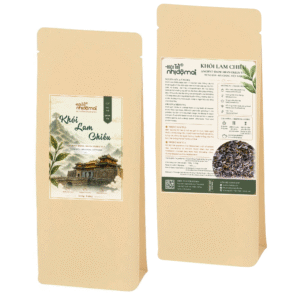

Túng Sán commune - a place in the Tây Côn Lĩnh mountain range (the roof of the Northeast of Vietnam) has an average altitude of 1500m above sea level, cool climate and fertile soil, under the primeval forest. For hundreds of years, Snow Shan tea has been collected by the Cờ Lao, Dao and Hoa ethnic minorities.


Tea is selected from tea buds of 1 shrimp and 1 leaf with silvery white fluff, picked in the spring season, stout, strong, with thick snowy coats. Yellow tea has the same processing stage as green tea, essentially green tea for post-enzymatic fermentation. After the tea is dried and dried with a pan, the tea leaves will be piled up, moistened, and left for a day and night, then brought out to dry in the sun. This causes chlorophyll to slowly disappear, making the yellow color appear more obvious, so the wings and tea of royal tea have a beautiful golden color while keeping the elegant, mellow, and fresh fragrance. the coolness of young tea leaves


Huế Apricot Blossom tea at Nhị Độ Mai tea house with main ingredients from the 500-600 year old wild Snow Shan tea tree growing on Tây Côn Lĩnh mountain - Hà Giang and Apricot flowers in ancient capital of Huế.
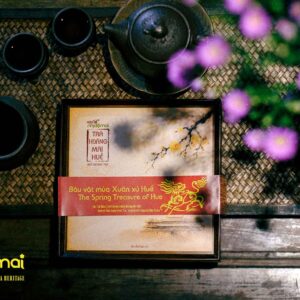
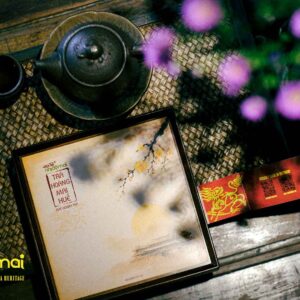
Huế Apricot Blossom tea at Nhị Độ Mai tea house with main ingredients from the 500-600 year old wild Snow Shan tea tree growing on Tây Côn Lĩnh mountain - Hà Giang and Apricot flowers in ancient capital of Huế.


Full Spring Oolong tea in Nhị Độ Mai tea house is grown in Bảo Lộc, Lâm Đồng, raw materials are collected from picking 1 shrimp 3-4 leaves, including stem and tops to get good quality, the tea is fermented about 40% to reduce the astringency but still keep the fresh taste of green tea. During the care process, the tea is fertilized (fertilized at the root) with nutritional ingredients such as soybean plant, soybean residue, egg yolk and milk. 1-2 weeks before the harvest date, the tea leaves will be "eaten" fresh milk directly...
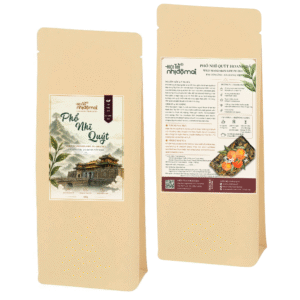

Ancient Snow Shan tea hundreds of years old on the Tây Côn Linh mountain range, Cao Bồ commune, Vị Xuyên district, Hà Giang province, at an altitude of 1500-2000 m above sea level and tangerine peel in the wild forest.
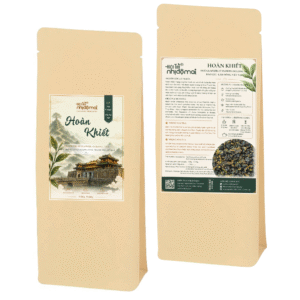

Grapefruit Tea - Hoàn Khiết uses ingredients from Oolong Tea grown in Bảo Lộc, Lâm Đồng, ingredients are collected from picking 1 bud with 3-4 leaves, including the top stem (near) to have Good quality, the tea is fermented at about 40% to reduce astringency but still retains the fresh flavor of green tea and fresh Grapefruit flowers are grown naturally in Thủy Biều commune - Huế, so it is very beneficial for health strong.


Grape fruit flower tea uses raw materials from young buds (one leaves one bud - High grade), (one two-leaf one bud - Special type), picked in the Spring season of the ancient Snow Shan tea tree (hundreds of years old, grows naturally at an altitude of about 2000m above sea level in Túng Sán - Hoàng Su Phì - Hà Giang province), and fresh jasmine flowers are grown naturally. The tea is refined by the artisans of the Tea Terrace with fresh jasmine flowers many times so that the tea flavor is penetrated deeply into each tea cell, then the tea is dried according to the manual method of water bath on a copper tray, dried with Traditional charcoal helps the flavor - tea, and flower flavors to be fused, and the flavor and taste persist through more than 10 times of brewing.
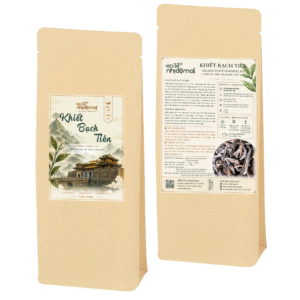
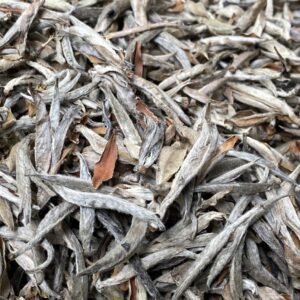
Khiết Bạch Tiên belongs to the Camellia sinensis var. assamica family and shares some characteristics with large-leaf Snow Shan tea. However, it possesses unique traits rarely found elsewhere, including purplish young buds and naturally low caffeine content.
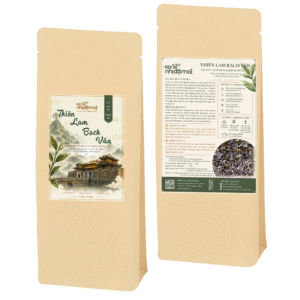

Jasmine tea uses raw materials from young buds, picked in the Spring season of the ancient Snow Shan tea tree (hundreds of years old, grows naturally at an altitude of about 2000m above sea level in Túng Sán - Hoàng Su Phì - Hà Giang province), and fresh jasmine flowers are grown naturally. The tea is refined by the artisans with fresh jasmine flowers many times so that the tea flavor is penetrated deeply into each tea cell, then the tea is dried according to the manual method of water bath on a copper tray, dried with Traditional charcoal helps the flavor - tea, and flower flavors to be fused, and the flavor and taste persist through more than 10 times of brewing